

14 Cartoons About Washer Dryer With Heat Pump To Brighten Your Day
Monroe
0
259
2024.06.06 08:21
Heat Pump Washer Dryer - A Revolution in All-In-One Washer-Dryer
A revolution in all-in-one washer-dryers is in progress. We tested two large heat pump combo units that can dry and wash in less than 2 hours, and require a standard 120 volt outlet.
In contrast to traditional clothes dryers that blow hot air across your laundry, and then vent the warm, humid air heat pump combos cool the air to remove the moisture. They also consume less energy than other types of dryers, with an average of less than 1 kWh for each cycle.
What is a Heat Pump Dryer?
Heat pump or Drying systems that use ductless cooling cool the air inside and trap moisture. This is in contrast to standard electric dryers, which heat the air with gas or electric resistance, and then blow out the humid, warm air through a vent which must be vented outside. They also don't need to vent to the outside because they recycle heat and moisture within the dryer.
These dryers are also energy efficient, meaning you'll save money on your electric bills. They are also less expensive to operate than conventional dryers and last twice as long. They are also eco-friendly and are a major draw for the majority of consumers.
ENERGY STAR certified heat pump tumble dryers heat pump are designed to be as efficient as is possible and offer the highest performance. They have a variety of features that make them stand out from other dryers, including moisture sensors that to prevent over drying and keep clothing from shrinking or fade smart settings that allow you to modify your laundry routine and remote smartphone control.
In addition to their cost-effectiveness and efficiency, heat pump dryers are also safer than conventional dryers since they do not use vents for dryers. This reduces the chance of lint buildup in the vent, and also fire hazards. In addition, since they're ventless, heat pump dryers can be used anywhere in your home and are an ideal option for those living in apartments.
heat pump tumble dryer pump dryers also have the advantage of using a lower temperature than conventional dryers. This allows your clothes retain their shape and color for longer. This could mean that it takes longer to dry your clothes.
The final benefit of heat pump dryers is that they don't use vents, which means they are a lot easier to install than traditional dryers. Heat pump dryers can be installed anywhere in your home, as long you have access to drains. Additionally, heat pump dryers are quieter and more eco friendly than conventional dryers, which makes them an excellent option for homes with small pets or children.
Heat pump dryers are becoming more popular in the United States, but they have been a favorite option in Europe for many decades. With their impressive efficiency in energy and cost savings, it's not surprising why more and more homeowners are choosing to purchase a dryer that is heated by a pump.
What are the benefits of a Heat Pump Dryer?
When compared with conventional vented dryers dryers use less than half as much energy. As a result, they are highly energy-efficient and help lower the cost of electricity for homes.
Like their name suggests, heat pump dryers do more than simply provide your clothes with hot air - they also remove humidity from them by bringing out dry air from the surrounding environment and then reusing that same air throughout the drying cycle. This keeps your clothes fresh and reduces wrinkles, as well as reducing moisture in your home.
They also help to dehumidify your laundry, which helps ease the burden on your air conditioning system, potentially saving you money on cooling costs too. This is an especially important benefit for homeowners in humid climates that tend to run their dryers frequently.
In contrast to traditional vented dryers that release warm, humid air into the outside atmosphere, heat pump dryers use an evaporative cooling process to eliminate the moisture from your laundry. This creates a cooler, dehumidified atmosphere within your laundry. This can be an attractive option for homes that don't have the space or funds to accommodate a separate duct for venting out moist air.
A heat pump dryer is more gentle on clothes since it doesn't require an traditional heating element like a vented drying system. Some heat pump dryers never reach their maximum temperature, which keeps your laundry in good condition and more secure for a longer period of time.
Heat pump dryers are more expensive initially, but they can save you a lot of energy and money in the long run. This makes them an excellent choice for consumers who wish to lessen their environmental footprint while cutting their utility costs.
As the demand for heat pump dryers has grown in recent years, manufacturers have been capable of making them more affordable than before. Additionally, the technology behind these dryers has continued to evolve making them even more efficient and user-friendly. Because of this, many customers find these all-in-1 washer-dryers to be an excellent value and are worth the upfront investment to save on energy consumption and environmental impacts.
How do heat pump Dryers (Historydb.Date) function?
When it is about laundry, your standard vented dryer is a simple piece of machinery. A sheet metal box with motor, heater, timer and fan. A heat pump dryer, however, is a completely different creature. These machines are packed with advanced technologies that give them energy efficiency.
What makes them so efficient is that they don't just dry your clothes - they also draw heat from the air and recycle it back into your clothes. The process begins with a blower which pushes air through fins on the cold side of the dryer, and then through fins on the hot side. It might seem odd however, why do you need to spend electricity cooling the air and then heating it? But it's an excellent way to save energy.
The system reverses the cycle to heat the lint. The result is that your clothes are dried in the same amount of time as a conventional vented dryer, but at less cost per load.
Another benefit of heat pump dryers is that they don't need vents and can be put in any room in the apartment or house -even small spaces such as bathrooms, closets and bedrooms. They're even more flexible than a dryer/washer combination since they don't require an outside wall for ventilation.
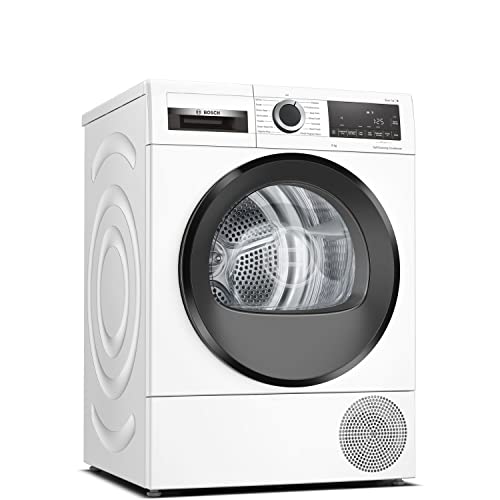 The dryers do not need venting, but they do need to drain. This can be done by using a drawer built into the unit that holds water for two cycles, or by connecting a water hose to the unit and letting it run through a window. This is a minor Heat pump dryers inconvenience when compared to traditional dryers that require screens for lint to be cleaned every cycle and condensation coils to be defrosted manually at minimum once or twice per month.
In the moment, heat pump dryers are a little more expensive than their conventional counterparts, but the upfront investment will pay for itself through lower costs for utilities. Many states and local utilities provide incentives and rebates which can reduce the cost of buying heat pump dryers.
How can a heating dryer save energy?
As the name suggests, the heat pump dryer recycles energy. It requires less energy than the traditional electric dryers that are used in the majority of homes. The reason for this is that the system doesn't directly heat the air. Instead, it uses the same technology that makes air conditioning work: compressing a liquid (like refrigerant) and then heating the resultant vapour. The vapor is then pushed through the drum for drying that absorbs it to dry your clothes.
The second role of the heat pump is to reuse heated vapor flowing back through the drum after it has dried. This is known as an reversible process. The heat pump repeats this process several times, capturing heat. The heated air is then released into the building to heat up its occupants.
Contrary to vented dryers which use conditioned air from indoors to vent it to the outside, ventless heat pump dryers push the moisture-laden air through a closed loop that cools it down, draws the water out, and drains it into a washing machine drain hose or into a sink or floor drain. This allows you to skip the dryer vent altogether and aids in keeping indoor humidity at a minimum particularly in a sealed building enclosure.
If needed the heat pump dryer can be utilized together with an electric evaporator to add hot water to the cooling circuit. This can reduce energy usage by as much as 30 percent.
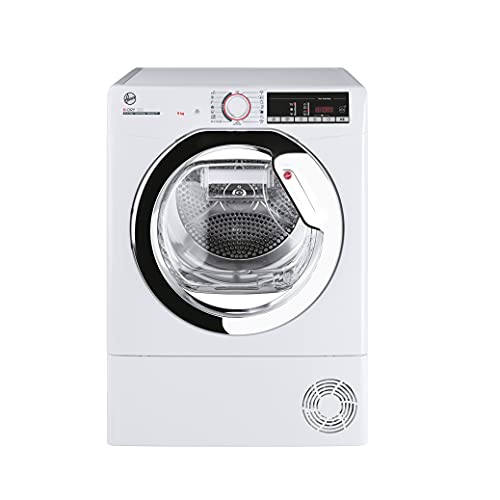 You should be aware that heat pump dryers are not suitable for every household. The upfront cost of heat pump dryers is higher than that of traditional electric dryers. However the savings on operating costs for the majority of families aren't as great. This is why Yale Appliance estimates that these units will likely appeal to "households that have a high use of dryers for laundry and high electricity costs."
There is one major incentive for many families to think about using a dryer with a heating element: the government policy. In the United States, you can receive rebates that dramatically lower the cost of these appliances. Therefore, the economic case for this new laundry device is compelling.
A revolution in all-in-one washer-dryers is in progress. We tested two large heat pump combo units that can dry and wash in less than 2 hours, and require a standard 120 volt outlet.
In contrast to traditional clothes dryers that blow hot air across your laundry, and then vent the warm, humid air heat pump combos cool the air to remove the moisture. They also consume less energy than other types of dryers, with an average of less than 1 kWh for each cycle.
What is a Heat Pump Dryer?
Heat pump or Drying systems that use ductless cooling cool the air inside and trap moisture. This is in contrast to standard electric dryers, which heat the air with gas or electric resistance, and then blow out the humid, warm air through a vent which must be vented outside. They also don't need to vent to the outside because they recycle heat and moisture within the dryer.
These dryers are also energy efficient, meaning you'll save money on your electric bills. They are also less expensive to operate than conventional dryers and last twice as long. They are also eco-friendly and are a major draw for the majority of consumers.
ENERGY STAR certified heat pump tumble dryers heat pump are designed to be as efficient as is possible and offer the highest performance. They have a variety of features that make them stand out from other dryers, including moisture sensors that to prevent over drying and keep clothing from shrinking or fade smart settings that allow you to modify your laundry routine and remote smartphone control.
In addition to their cost-effectiveness and efficiency, heat pump dryers are also safer than conventional dryers since they do not use vents for dryers. This reduces the chance of lint buildup in the vent, and also fire hazards. In addition, since they're ventless, heat pump dryers can be used anywhere in your home and are an ideal option for those living in apartments.
heat pump tumble dryer pump dryers also have the advantage of using a lower temperature than conventional dryers. This allows your clothes retain their shape and color for longer. This could mean that it takes longer to dry your clothes.
The final benefit of heat pump dryers is that they don't use vents, which means they are a lot easier to install than traditional dryers. Heat pump dryers can be installed anywhere in your home, as long you have access to drains. Additionally, heat pump dryers are quieter and more eco friendly than conventional dryers, which makes them an excellent option for homes with small pets or children.
Heat pump dryers are becoming more popular in the United States, but they have been a favorite option in Europe for many decades. With their impressive efficiency in energy and cost savings, it's not surprising why more and more homeowners are choosing to purchase a dryer that is heated by a pump.
What are the benefits of a Heat Pump Dryer?
When compared with conventional vented dryers dryers use less than half as much energy. As a result, they are highly energy-efficient and help lower the cost of electricity for homes.
Like their name suggests, heat pump dryers do more than simply provide your clothes with hot air - they also remove humidity from them by bringing out dry air from the surrounding environment and then reusing that same air throughout the drying cycle. This keeps your clothes fresh and reduces wrinkles, as well as reducing moisture in your home.
They also help to dehumidify your laundry, which helps ease the burden on your air conditioning system, potentially saving you money on cooling costs too. This is an especially important benefit for homeowners in humid climates that tend to run their dryers frequently.
In contrast to traditional vented dryers that release warm, humid air into the outside atmosphere, heat pump dryers use an evaporative cooling process to eliminate the moisture from your laundry. This creates a cooler, dehumidified atmosphere within your laundry. This can be an attractive option for homes that don't have the space or funds to accommodate a separate duct for venting out moist air.
A heat pump dryer is more gentle on clothes since it doesn't require an traditional heating element like a vented drying system. Some heat pump dryers never reach their maximum temperature, which keeps your laundry in good condition and more secure for a longer period of time.
Heat pump dryers are more expensive initially, but they can save you a lot of energy and money in the long run. This makes them an excellent choice for consumers who wish to lessen their environmental footprint while cutting their utility costs.
As the demand for heat pump dryers has grown in recent years, manufacturers have been capable of making them more affordable than before. Additionally, the technology behind these dryers has continued to evolve making them even more efficient and user-friendly. Because of this, many customers find these all-in-1 washer-dryers to be an excellent value and are worth the upfront investment to save on energy consumption and environmental impacts.
How do heat pump Dryers (Historydb.Date) function?
When it is about laundry, your standard vented dryer is a simple piece of machinery. A sheet metal box with motor, heater, timer and fan. A heat pump dryer, however, is a completely different creature. These machines are packed with advanced technologies that give them energy efficiency.
What makes them so efficient is that they don't just dry your clothes - they also draw heat from the air and recycle it back into your clothes. The process begins with a blower which pushes air through fins on the cold side of the dryer, and then through fins on the hot side. It might seem odd however, why do you need to spend electricity cooling the air and then heating it? But it's an excellent way to save energy.
The system reverses the cycle to heat the lint. The result is that your clothes are dried in the same amount of time as a conventional vented dryer, but at less cost per load.
Another benefit of heat pump dryers is that they don't need vents and can be put in any room in the apartment or house -even small spaces such as bathrooms, closets and bedrooms. They're even more flexible than a dryer/washer combination since they don't require an outside wall for ventilation.
 The dryers do not need venting, but they do need to drain. This can be done by using a drawer built into the unit that holds water for two cycles, or by connecting a water hose to the unit and letting it run through a window. This is a minor Heat pump dryers inconvenience when compared to traditional dryers that require screens for lint to be cleaned every cycle and condensation coils to be defrosted manually at minimum once or twice per month.
In the moment, heat pump dryers are a little more expensive than their conventional counterparts, but the upfront investment will pay for itself through lower costs for utilities. Many states and local utilities provide incentives and rebates which can reduce the cost of buying heat pump dryers.
How can a heating dryer save energy?
As the name suggests, the heat pump dryer recycles energy. It requires less energy than the traditional electric dryers that are used in the majority of homes. The reason for this is that the system doesn't directly heat the air. Instead, it uses the same technology that makes air conditioning work: compressing a liquid (like refrigerant) and then heating the resultant vapour. The vapor is then pushed through the drum for drying that absorbs it to dry your clothes.
The second role of the heat pump is to reuse heated vapor flowing back through the drum after it has dried. This is known as an reversible process. The heat pump repeats this process several times, capturing heat. The heated air is then released into the building to heat up its occupants.
Contrary to vented dryers which use conditioned air from indoors to vent it to the outside, ventless heat pump dryers push the moisture-laden air through a closed loop that cools it down, draws the water out, and drains it into a washing machine drain hose or into a sink or floor drain. This allows you to skip the dryer vent altogether and aids in keeping indoor humidity at a minimum particularly in a sealed building enclosure.
If needed the heat pump dryer can be utilized together with an electric evaporator to add hot water to the cooling circuit. This can reduce energy usage by as much as 30 percent.
 You should be aware that heat pump dryers are not suitable for every household. The upfront cost of heat pump dryers is higher than that of traditional electric dryers. However the savings on operating costs for the majority of families aren't as great. This is why Yale Appliance estimates that these units will likely appeal to "households that have a high use of dryers for laundry and high electricity costs."
There is one major incentive for many families to think about using a dryer with a heating element: the government policy. In the United States, you can receive rebates that dramatically lower the cost of these appliances. Therefore, the economic case for this new laundry device is compelling.