

See What Bagless Automated Sweepers Tricks The Celebs Are Making Use O…
Dewayne
0
218
2024.06.07 07:14
Bagless Automated Sweepers
There's a new era of robot vacuums that don't use bags. Bagless models have plastic dirt compartments that trap debris and are emptied directly into a bin in the base station. The cost of these models is usually low or non-existent, with the exception of changing the filters, which can be cleaned.
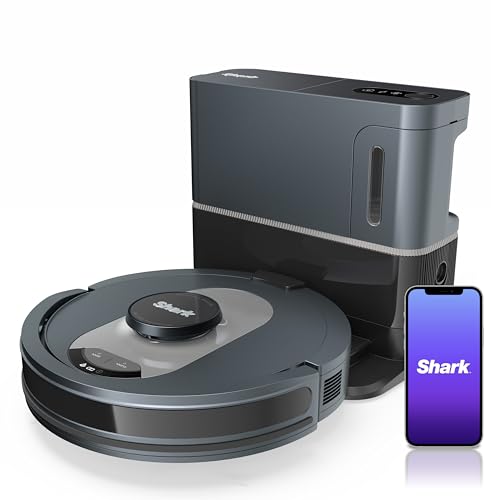
Our top pick comes with 5,300Pa of suction power, and self-emptying into a bagless base station that holds about a month's worth of debris. It also has a smart mopping feature.
Easy to empty
 In contrast to vacuum cleaners that utilize bags, bagless sweepers have dirt receptacles that are easy to clean and empty. The trash bin is easily unlocked and emptied. There is no bag to break or cut open, so it's much easier than changing bags on bags-filled sweepers.
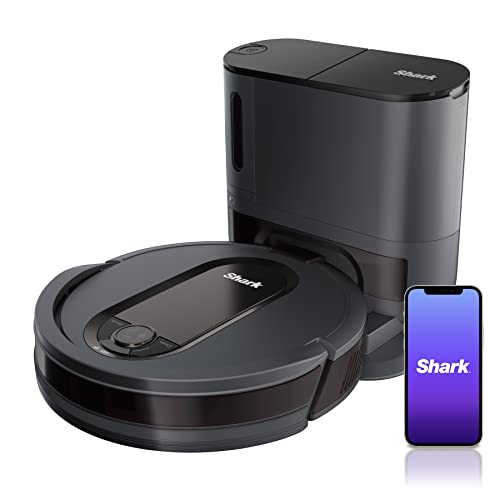
Many bagless robots come with self-emptying bases, which reduce the requirement for manual maintenance. They can often go months without having to be emptied and, for models that mop, the base could hold multiple cleaning sessions worth of water. It is important to make sure that the dock/Self-Empty Base is positioned in a place where it will not block your robot's view or its sensors and, therefore, it is recommended to only use it for dry sweeping.
It is possible to observe the amount of dirt and debris that has been taken up by the robot when you empty it. This is a great way to keep track of the amount of dirt and other debris that is collected by the robot.
Another benefit of the clear plastic receptacles is that they are able to easily locate missing items, like the jack of Jimmy's or Little Mary's doll barrette that might have been sucked into the vacuum only to be forgotten again. A missing toy is the most painful, so a bin that is visible can help locate it and spare you from having to search through a cluttered bag.
The bins that are used by bagless intelligent vacuums robotic sweepers might be more straightforward to empty than vacuums with bags. However, they still need to be cleaned and washed periodically. These are easy to complete and can be completed by anyone who owns a home. Bagless vacuums also come with filters that need to be cleaned or replaced according to the model. However, they are a relatively minor ongoing cost that is significantly lower than the cost of replacement bags for models with bags.
 Cleaner and better
When the bags are full, bagged sweepers stop working at their full capacity. This leads to less than stellar cleaning performance. In contrast, bagless systems typically continue to work well even when their bins are close to capacity. This results in cleaner, more consistent and high-quality cleaning across the entire sweep.
Additionally, the majority of bagless models feature a larger debris bin than bagged counterparts. This means they are able to pick up larger objects like wood shavings and metal screws than the smaller bins found on some bagged models. This is especially useful when cleaning up stairs or in corners where dirt tends to gather.
Bagless models are more eco green since they don't require disposable bags. In contrast, bagged vacuums need hundreds of bags during their life time. This puts pressure on our environment.
Easy to maintain
Bagless sweepers come with a canister designed to hold dirt and other debris. Vacuum bags aren't required. This system also makes bagless sweepers an environmentally friendly option than their bags-filled counterparts. Bagged vacuum cleaners use hundreds or even thousands of disposable bags over their lifetime. This is an immense amount of waste. Bagless models on the other hand, only require one up-front investment in the machine itself. This means that you can reduce long-term costs and environmental impact.
There's a new era of robot vacuums that don't use bags. Bagless models have plastic dirt compartments that trap debris and are emptied directly into a bin in the base station. The cost of these models is usually low or non-existent, with the exception of changing the filters, which can be cleaned.
Our top pick comes with 5,300Pa of suction power, and self-emptying into a bagless base station that holds about a month's worth of debris. It also has a smart mopping feature.
Easy to empty
 In contrast to vacuum cleaners that utilize bags, bagless sweepers have dirt receptacles that are easy to clean and empty. The trash bin is easily unlocked and emptied. There is no bag to break or cut open, so it's much easier than changing bags on bags-filled sweepers.
Many bagless robots come with self-emptying bases, which reduce the requirement for manual maintenance. They can often go months without having to be emptied and, for models that mop, the base could hold multiple cleaning sessions worth of water. It is important to make sure that the dock/Self-Empty Base is positioned in a place where it will not block your robot's view or its sensors and, therefore, it is recommended to only use it for dry sweeping.
It is possible to observe the amount of dirt and debris that has been taken up by the robot when you empty it. This is a great way to keep track of the amount of dirt and other debris that is collected by the robot.
Another benefit of the clear plastic receptacles is that they are able to easily locate missing items, like the jack of Jimmy's or Little Mary's doll barrette that might have been sucked into the vacuum only to be forgotten again. A missing toy is the most painful, so a bin that is visible can help locate it and spare you from having to search through a cluttered bag.
The bins that are used by bagless intelligent vacuums robotic sweepers might be more straightforward to empty than vacuums with bags. However, they still need to be cleaned and washed periodically. These are easy to complete and can be completed by anyone who owns a home. Bagless vacuums also come with filters that need to be cleaned or replaced according to the model. However, they are a relatively minor ongoing cost that is significantly lower than the cost of replacement bags for models with bags.
 Cleaner and better
When the bags are full, bagged sweepers stop working at their full capacity. This leads to less than stellar cleaning performance. In contrast, bagless systems typically continue to work well even when their bins are close to capacity. This results in cleaner, more consistent and high-quality cleaning across the entire sweep.
Additionally, the majority of bagless models feature a larger debris bin than bagged counterparts. This means they are able to pick up larger objects like wood shavings and metal screws than the smaller bins found on some bagged models. This is especially useful when cleaning up stairs or in corners where dirt tends to gather.
Bagless models are more eco green since they don't require disposable bags. In contrast, bagged vacuums need hundreds of bags during their life time. This puts pressure on our environment.
Easy to maintain
Bagless sweepers come with a canister designed to hold dirt and other debris. Vacuum bags aren't required. This system also makes bagless sweepers an environmentally friendly option than their bags-filled counterparts. Bagged vacuum cleaners use hundreds or even thousands of disposable bags over their lifetime. This is an immense amount of waste. Bagless models on the other hand, only require one up-front investment in the machine itself. This means that you can reduce long-term costs and environmental impact.