

20 Questions You Should Ask About Single Bed Bunk Bed Before Buying It
Finlay
0
158
2024.06.25 00:15
Bunk Beds That Split Into Singles
Many kids want bunk beds. They're fun, adventurous and let you invite your friends over for sleepovers.
If your children share rooms or you are reducing the size of your room bunks that split into singles are an ideal solution. These beds can be divided if your child is no longer capable of sleeping in the top bunk or you would like to change the style of the room.
Space Saving
A bunk bed is an ideal solution for small rooms. Triple bunk beds are ideal for small spaces or shared rooms. They can fit three people in a footprint that is similar to a single bed. They are available in a wide range of styles, from traditional wood and metal to exciting designs for bunk beds that look like tents castles, or treehouses. Based on the style you pick, you can even have bunk beds that split into two separate beds.
For children who are young, the novelty of bunk beds is attractive. Once children reach their teens they may prefer the privacy and freedom of individual single beds. There are many bunk beds that can be split into singles can easily be converted back to twin beds for this reason.
The top bunk must be disassembled first. Depending on the type of bunk you own, this may involve simply unscrewing the foot and head boards from each side and removing them. Then, just reattach the head and foot board to create two single beds Bunk beds (f48.ee) beds. Bunks that can be split into single beds make it simple for the children to change bedding if they decide that they would like a different style or colour.
After the bunk beds are divided into singles and bunk beds, there will be a an area on the floor that can be used to store books, toys and other things. This is a great way to keep your room clean and tidy, while also giving your children a place to rest.
If you're worried that your child is too tall to fit in the top bunk you can buy a mattress that will fit in the bottom bunk. You can then place an uninspiring bed frame beneath it to allow your kids plenty of space to move around without hitting their heads against the ceiling.
Some parents opt to stay with single beds when their children reach their teens years regardless of whether they still fit into their bunk beds or not. This is a sensible choice especially for those with particular physical requirements or are struggling with sleeping problems.
Individuality
If you purchase a bunk that is divided into single beds, each child will have their own bed. This makes it easier for siblings to share a space without fighting over who has the best bunk. It lets guests stay in the same room as the children and can sleep comfortably. It's a great choice for those with limited space to work with or simply want an option that doesn't need an additional investment in another mattress.
Kids love bunk beds, especially those that are shaped like castles or tents. Or treehouses. They can transform their bedroom into a fort, a homework refuge, or even their own private retreat. It's an exciting and enjoyable method for young children to spend their time as they play games and play on the beds together. They can call dibs on the top bunk or invite a friend to join them for a sleepover.
Bunk beds are often made from metal or wood, with different types of mattresses to fit. Many bunk beds designed to make the most of space can be transformed into two separate single beds by removing the head and foot boards, swapping them around and reattaching them. A twin over full size bunk bed is an excellent example of this, because it can be used with just one child in the top and two children sharing the bottom.
However, it is important to keep in mind that bunk beds are not the ideal choice for all children. If your child has physical needs, avoid bunk beds until they can rest comfortably and independently use the bathroom. They should be able to negotiate with each other, and understand that bunk beds are designed for both of them.
In most cases, bunkbeds are more suitable over single beds as they take up less floor space and provide more storage. They are a favorite among families with limited space, as in hostels, hotels motels, hotels, and other worker housing. There are a variety of styles and finishes to choose from, but choose one that is sturdy and complies with all safety standards.
Independence
Bunk beds are an excellent activity for kids, especially when they invite friends over to sleepovers. The thrill of climbing up a ladder to bed is more exciting than just hopping into a single bed and the space beneath provides the space for siblings to play together or study. Sharing a bunk bed teaches children to be courteous and respectful even when they're in the same room.
 At some point, many children grow out of their bunk beds. They might find it too childish, or they may want separate beds for their own personal preference and the space to stretch. The majority of bunk beds can be converted into two separate beds by removing the bolts and screws. This is a great option for parents with more kids than rooms in their home.
Additionally, bunk beds that separate into single beds beds that split into singles are great for people who live in flatshares or homes with small spaces. The beds are a great way to provide everyone with their own bed, while saving money buying new beds. They are also flexible and can be easily dismantled to move them to a different location should the circumstances change.
Remove the rails and ladders on both sides of the bed to divide the beds into single beds. If there are any other features, such as drawers or curtains on the bunk, remove them too. Once the bunk is deconstructed the slats will remain and can later be used as the base for a separate mattress.
It is important to keep in mind that everyone has different sleeping needs when choosing the right mattress for a bunk bed that can be split into solitary beds. The most comfortable mattress might not be the ideal one for another sleeper due to the differences in the weight and posture. The ideal is for the mattress to be adapted to each mattress separately so that each bed can be adjusted to suit the needs of each individual.
Many parents appreciate the practicality and durability of the capability to split the bunk bed into two single beds. It's an ideal solution for families who wish to purchase a bigger home but don't have the budget or space to buy additional beds for their growing family.
Safety
There is no doubt that bunk beds are an excellent space-saving device, especially in smaller spaces or shared bedrooms. They can be a danger if children don't take care. The injuries that result from bunk bed use have occurred due to kids falling off the top tier or getting trapped under the structure when it collapses. Fortunately, with a proper installation and the right mattress, these risks can be minimised.
Children aren't innately concerned with safety therefore bunk beds need to be carefully designed and monitored. It is essential to establish guidelines for playing time and sleep time, such as no jumping or climbing on the beds. It is recommended to only allow children who are older than 6 years old to sleep on the top bunk. This will decrease the chance of injuries. Children should not hang blankets, ropes or other objects from the sides of the bunk as they could cause strangulation. Bunk beds should be free of toys and other junk, to prevent kids from becoming entangled. Having a night light in the room could help children locate the ladder at night instead of struggling to locate it in the darkness.
Bunk beds are not suitable for children with muscular disorders, convulsive disorders or physical problems that limit movement. These children will benefit from single beds, which allow them to move around and stretch without the fear of falling down or being trapped under it.
Children who are known to be hyperactive shouldn't be put on the top bunk bed. They may be enticed to leap on and off the beds, increasing the chance of getting injured. It's not a good idea for children of different genders to be in the same room. They might have a difficult time adjusting to sharing the space.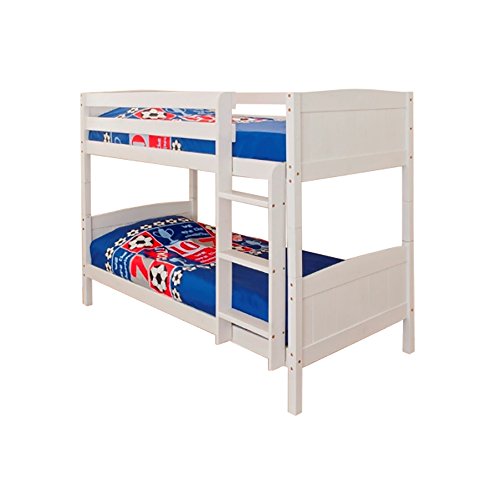
Many kids want bunk beds. They're fun, adventurous and let you invite your friends over for sleepovers.
If your children share rooms or you are reducing the size of your room bunks that split into singles are an ideal solution. These beds can be divided if your child is no longer capable of sleeping in the top bunk or you would like to change the style of the room.
Space Saving
A bunk bed is an ideal solution for small rooms. Triple bunk beds are ideal for small spaces or shared rooms. They can fit three people in a footprint that is similar to a single bed. They are available in a wide range of styles, from traditional wood and metal to exciting designs for bunk beds that look like tents castles, or treehouses. Based on the style you pick, you can even have bunk beds that split into two separate beds.
For children who are young, the novelty of bunk beds is attractive. Once children reach their teens they may prefer the privacy and freedom of individual single beds. There are many bunk beds that can be split into singles can easily be converted back to twin beds for this reason.
The top bunk must be disassembled first. Depending on the type of bunk you own, this may involve simply unscrewing the foot and head boards from each side and removing them. Then, just reattach the head and foot board to create two single beds Bunk beds (f48.ee) beds. Bunks that can be split into single beds make it simple for the children to change bedding if they decide that they would like a different style or colour.
After the bunk beds are divided into singles and bunk beds, there will be a an area on the floor that can be used to store books, toys and other things. This is a great way to keep your room clean and tidy, while also giving your children a place to rest.
If you're worried that your child is too tall to fit in the top bunk you can buy a mattress that will fit in the bottom bunk. You can then place an uninspiring bed frame beneath it to allow your kids plenty of space to move around without hitting their heads against the ceiling.
Some parents opt to stay with single beds when their children reach their teens years regardless of whether they still fit into their bunk beds or not. This is a sensible choice especially for those with particular physical requirements or are struggling with sleeping problems.
Individuality
If you purchase a bunk that is divided into single beds, each child will have their own bed. This makes it easier for siblings to share a space without fighting over who has the best bunk. It lets guests stay in the same room as the children and can sleep comfortably. It's a great choice for those with limited space to work with or simply want an option that doesn't need an additional investment in another mattress.
Kids love bunk beds, especially those that are shaped like castles or tents. Or treehouses. They can transform their bedroom into a fort, a homework refuge, or even their own private retreat. It's an exciting and enjoyable method for young children to spend their time as they play games and play on the beds together. They can call dibs on the top bunk or invite a friend to join them for a sleepover.
Bunk beds are often made from metal or wood, with different types of mattresses to fit. Many bunk beds designed to make the most of space can be transformed into two separate single beds by removing the head and foot boards, swapping them around and reattaching them. A twin over full size bunk bed is an excellent example of this, because it can be used with just one child in the top and two children sharing the bottom.
However, it is important to keep in mind that bunk beds are not the ideal choice for all children. If your child has physical needs, avoid bunk beds until they can rest comfortably and independently use the bathroom. They should be able to negotiate with each other, and understand that bunk beds are designed for both of them.
In most cases, bunkbeds are more suitable over single beds as they take up less floor space and provide more storage. They are a favorite among families with limited space, as in hostels, hotels motels, hotels, and other worker housing. There are a variety of styles and finishes to choose from, but choose one that is sturdy and complies with all safety standards.
Independence
Bunk beds are an excellent activity for kids, especially when they invite friends over to sleepovers. The thrill of climbing up a ladder to bed is more exciting than just hopping into a single bed and the space beneath provides the space for siblings to play together or study. Sharing a bunk bed teaches children to be courteous and respectful even when they're in the same room.
 At some point, many children grow out of their bunk beds. They might find it too childish, or they may want separate beds for their own personal preference and the space to stretch. The majority of bunk beds can be converted into two separate beds by removing the bolts and screws. This is a great option for parents with more kids than rooms in their home.
Additionally, bunk beds that separate into single beds beds that split into singles are great for people who live in flatshares or homes with small spaces. The beds are a great way to provide everyone with their own bed, while saving money buying new beds. They are also flexible and can be easily dismantled to move them to a different location should the circumstances change.
Remove the rails and ladders on both sides of the bed to divide the beds into single beds. If there are any other features, such as drawers or curtains on the bunk, remove them too. Once the bunk is deconstructed the slats will remain and can later be used as the base for a separate mattress.
It is important to keep in mind that everyone has different sleeping needs when choosing the right mattress for a bunk bed that can be split into solitary beds. The most comfortable mattress might not be the ideal one for another sleeper due to the differences in the weight and posture. The ideal is for the mattress to be adapted to each mattress separately so that each bed can be adjusted to suit the needs of each individual.
Many parents appreciate the practicality and durability of the capability to split the bunk bed into two single beds. It's an ideal solution for families who wish to purchase a bigger home but don't have the budget or space to buy additional beds for their growing family.
Safety
There is no doubt that bunk beds are an excellent space-saving device, especially in smaller spaces or shared bedrooms. They can be a danger if children don't take care. The injuries that result from bunk bed use have occurred due to kids falling off the top tier or getting trapped under the structure when it collapses. Fortunately, with a proper installation and the right mattress, these risks can be minimised.
Children aren't innately concerned with safety therefore bunk beds need to be carefully designed and monitored. It is essential to establish guidelines for playing time and sleep time, such as no jumping or climbing on the beds. It is recommended to only allow children who are older than 6 years old to sleep on the top bunk. This will decrease the chance of injuries. Children should not hang blankets, ropes or other objects from the sides of the bunk as they could cause strangulation. Bunk beds should be free of toys and other junk, to prevent kids from becoming entangled. Having a night light in the room could help children locate the ladder at night instead of struggling to locate it in the darkness.
Bunk beds are not suitable for children with muscular disorders, convulsive disorders or physical problems that limit movement. These children will benefit from single beds, which allow them to move around and stretch without the fear of falling down or being trapped under it.
Children who are known to be hyperactive shouldn't be put on the top bunk bed. They may be enticed to leap on and off the beds, increasing the chance of getting injured. It's not a good idea for children of different genders to be in the same room. They might have a difficult time adjusting to sharing the space.
