


15 Startling Facts About Drip Filter Coffee Machine That You Didn't Kn…
Shanice Lang
0
225
2024.06.07 04:50
Drip Filter Coffee Machine
Drip filter coffee machine is a method of brewing coffee that involves pouring hot water over ground coffee and then pouring it through a paper or metal filter into the carafe beneath. This process is dependent on an element of heating, showerhead, and the filter compartment.
The heating element is typically an aluminum tube that becomes activated as electricity passes through it.
The brewing process
The brewing process of filter coffee depends on various variables, including the kind of coffee beans used, as well as the ratio of water-to-coffee. It also depends on how long the coffee brews for and the temperature of the water. These variables can affect the final cup's flavor and quality. If the water is too hot, it can burn grounds and cause coffee to become bitter. A good drip coffee maker has an option to prevent this from happening by regulating the flow of water.
Fill the reservoir with water before you begin making a cup of drip filter coffee. Then, you add your preferred ground coffee and filter to the basket. You hit a button to begin the brewing process. After the process is completed, your coffee will drip Coffeee automatically into the carafe or pot for you to serve. This is a simple method for coffee drinkers to prepare their coffee without having to spend long hours.
As the coffee drips, it infuses the grounds and extracts the flavors from them. The grounds that are used are removed from the filter. The brewed coffee is then poured into a carafe, pot, or other container so that it can be heated. This is similar to pour-over, but it has some advantages. First, it is faster and more efficient than pour-over. The second advantage is that you are more in control of the brewing process, which can result in more flavorful coffee.
Drip coffee makers make an excellent option for coffee drinkers who are casual because they are quick and deliver consistently good results. They are also easy to use and cost-effective. If you're serious about coffee and wish to improve your brewing skills it is recommended to learn how to make use of a pour-over technique. This will allow you to get the best results from your favorite beans and will give you greater control over your brewing.
If your drip coffee maker is experiencing an insufficient flow or isn't producing coffee, you may have an obstruction in one of the tubes. This is most common in machines that use aluminum heating tubes. Fix the problem Pour vinegar into the water tank and run it with no coffee or filters. Repeat until the clog is removed. You can also clean the coffee maker by rinsing it with a large pot of water.
The water reservoir
A drip filter coffee maker is a sophisticated machine that can turn the contents of a cup of water and ground beans into a hot cup of java. The water reservoir and the filter basket, the carafe, as well as the showerhead are all designed to ensure that the oils and flavors from the coffee grounds are extracted optimally.
The reservoir of water is a big bucket that holds the brewing water until it's needed. It's often made from glass or plastic and is a key element in the process of brewing. The reservoir is placed on the top of the base plate to the pot. It's typically heated to stop the water from cooling too fast.
Water is drawn from the reservoir via an orange tube and then transferred to the heating element, which heats the water as well as the plate the pot rests on. The heated water is then transported up through an lined tube to the faucet, where it is sprayed over the ground coffee. The coffee grounds are soaked by the water, and this forces the hot liquid to fall through the filter and into the carafe below.
Use water that has been filtered to fill your drip coffee maker. You won't get any unwanted minerals in your beverage. You should also clean your machine on a regular basis to get rid of any build-up of mineral deposits. It is also recommended to clean the water reservoir on a regular basis. If the reservoir has been stored for a long period of time it may begin to smell stale and develop mold or bacteria.
The easiest way to clean the water reservoir is to empty the tank, and then rinse it with clean water and some soap. If you don't have an espresso maker that has an open reservoir, you can also run the water through the machine without coffee or a filter to remove any sludge. It is recommended to only keep water in your reservoir for a week or so, as it can start to spoil after that. If you leave it longer, mold and bacteria could develop, which can lead to illnesses. It is recommended to replace your water reservoir regularly.
The filter basket
A drip filter coffee maker has a filter basket that contains ground coffee. When hot water passes through the grounds, it is run through narrow openings in the bottom of the filter basket. Typically, these openings are covered by small pieces of paper or metal. The basket has a showerhead that evenly distributes hot water over the grounds. This allows for consistent extraction of flavors and oils in all the beans. The size and shape can have a significant effect on the quality of the coffee that is brewed.
For instance, cone filters tend to have a tapered shape which concentrates the flow of water across the grounds, which can result in longer extraction times and a richer flavor profile. Basket filters have a flat base which lets water be dispersed more evenly. This can result in a more mild taste, but can also reduce the risk that you'll over- or underestimate the extraction.
The decision between a cone and a basket filter is mostly based on your personal preferences. Some coffee drinkers prefer the full-flavored extraction cone filters offer, while others prefer the basket filter's more subtle flavor profile. The shape of the filter isn't the only factor that affects the final cup. The temperature of the water, and the amount of ground coffee used are also important.
No matter what kind of coffee maker, it is important to keep in mind that a cup of coffee is equal to 8 ounces of water. Therefore, a coffee maker that can hold 12 cups is capable of making 60 ounces of espresso when fully filled. To ensure optimal results, it's recommended to pre-heat their coffee maker and filter basket. This will help to prevent large temperature drops that could damage the coffee.
It is important to carefully adhere to the instructions when using a Smeg drip filter coffee maker. It is recommended that the water be poured into the reservoir and not directly into the filter basket. It is also important to use a new showerhead and filter in order to prevent coffee grit. If you are unable clean your filter coffee maker with timer, you can submerge it in a solution of soapy water. Scrub with the sponge. Then, rinse it with plain water to remove the residue.
The heating element
The heating element is a vital component in any drip filter coffee machine. It's responsible for two functions heating water to an optimal temperature for brewing and ensuring that the coffee remains warm after it's made. It does this through an element of heat that is placed under the carafe, and an aluminum tube to carry the water. The heating element is an aluminum piece that emits heat when electricity passes through. This causes the water to heat up as it travels along the tube.
Once the water has been heated, it will begin to bubble. This assists in pushing the water up and out of tubing, into the filter holder containing the grounds of coffee. The water will then begin to drip down into the coffee grounds to extract flavor from the coffee grounds. It drips over the grounds in a specific pattern that is designed to ensure that all the grounds are completely filled with water to produce an even the brew.
The one-way valve is found in the water tank, or in the tube carrying the water. It prevents hot water from getting into the cold reservoir. This is vital, as it could make your coffee taste bad or use up electricity.
The majority of drip coffee machines use switches and timers to control the flow of water and the length of time that water is allowed to stay in the grounds. The machine also can tell when the coffee is finished brewing, and turn off its heating plates automatically. This is useful as it helps to avoid over-extracted or burnt coffee.
A drip filter coffee machine is an excellent choice for anyone looking to brew their own cup of joe. It is easy to use and is suitable for virtually any type of ground coffee. Many models include a coffee filter that is reusable, which eliminates the need to use paper filters. This can be beneficial to the environment. It also has a carafe that can hold up to 10 cups of coffee, which means you can make several batches at once.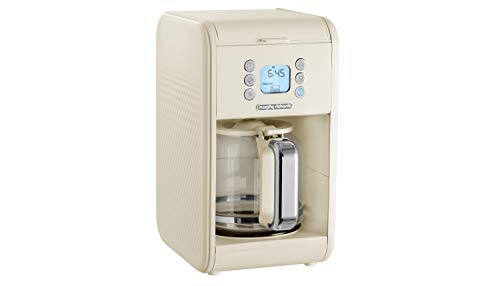
Drip filter coffee machine is a method of brewing coffee that involves pouring hot water over ground coffee and then pouring it through a paper or metal filter into the carafe beneath. This process is dependent on an element of heating, showerhead, and the filter compartment.
The heating element is typically an aluminum tube that becomes activated as electricity passes through it.
The brewing process
The brewing process of filter coffee depends on various variables, including the kind of coffee beans used, as well as the ratio of water-to-coffee. It also depends on how long the coffee brews for and the temperature of the water. These variables can affect the final cup's flavor and quality. If the water is too hot, it can burn grounds and cause coffee to become bitter. A good drip coffee maker has an option to prevent this from happening by regulating the flow of water.
Fill the reservoir with water before you begin making a cup of drip filter coffee. Then, you add your preferred ground coffee and filter to the basket. You hit a button to begin the brewing process. After the process is completed, your coffee will drip Coffeee automatically into the carafe or pot for you to serve. This is a simple method for coffee drinkers to prepare their coffee without having to spend long hours.
As the coffee drips, it infuses the grounds and extracts the flavors from them. The grounds that are used are removed from the filter. The brewed coffee is then poured into a carafe, pot, or other container so that it can be heated. This is similar to pour-over, but it has some advantages. First, it is faster and more efficient than pour-over. The second advantage is that you are more in control of the brewing process, which can result in more flavorful coffee.
Drip coffee makers make an excellent option for coffee drinkers who are casual because they are quick and deliver consistently good results. They are also easy to use and cost-effective. If you're serious about coffee and wish to improve your brewing skills it is recommended to learn how to make use of a pour-over technique. This will allow you to get the best results from your favorite beans and will give you greater control over your brewing.
If your drip coffee maker is experiencing an insufficient flow or isn't producing coffee, you may have an obstruction in one of the tubes. This is most common in machines that use aluminum heating tubes. Fix the problem Pour vinegar into the water tank and run it with no coffee or filters. Repeat until the clog is removed. You can also clean the coffee maker by rinsing it with a large pot of water.
The water reservoir
A drip filter coffee maker is a sophisticated machine that can turn the contents of a cup of water and ground beans into a hot cup of java. The water reservoir and the filter basket, the carafe, as well as the showerhead are all designed to ensure that the oils and flavors from the coffee grounds are extracted optimally.
The reservoir of water is a big bucket that holds the brewing water until it's needed. It's often made from glass or plastic and is a key element in the process of brewing. The reservoir is placed on the top of the base plate to the pot. It's typically heated to stop the water from cooling too fast.
Water is drawn from the reservoir via an orange tube and then transferred to the heating element, which heats the water as well as the plate the pot rests on. The heated water is then transported up through an lined tube to the faucet, where it is sprayed over the ground coffee. The coffee grounds are soaked by the water, and this forces the hot liquid to fall through the filter and into the carafe below.
Use water that has been filtered to fill your drip coffee maker. You won't get any unwanted minerals in your beverage. You should also clean your machine on a regular basis to get rid of any build-up of mineral deposits. It is also recommended to clean the water reservoir on a regular basis. If the reservoir has been stored for a long period of time it may begin to smell stale and develop mold or bacteria.
The easiest way to clean the water reservoir is to empty the tank, and then rinse it with clean water and some soap. If you don't have an espresso maker that has an open reservoir, you can also run the water through the machine without coffee or a filter to remove any sludge. It is recommended to only keep water in your reservoir for a week or so, as it can start to spoil after that. If you leave it longer, mold and bacteria could develop, which can lead to illnesses. It is recommended to replace your water reservoir regularly.
The filter basket
A drip filter coffee maker has a filter basket that contains ground coffee. When hot water passes through the grounds, it is run through narrow openings in the bottom of the filter basket. Typically, these openings are covered by small pieces of paper or metal. The basket has a showerhead that evenly distributes hot water over the grounds. This allows for consistent extraction of flavors and oils in all the beans. The size and shape can have a significant effect on the quality of the coffee that is brewed.
For instance, cone filters tend to have a tapered shape which concentrates the flow of water across the grounds, which can result in longer extraction times and a richer flavor profile. Basket filters have a flat base which lets water be dispersed more evenly. This can result in a more mild taste, but can also reduce the risk that you'll over- or underestimate the extraction.
The decision between a cone and a basket filter is mostly based on your personal preferences. Some coffee drinkers prefer the full-flavored extraction cone filters offer, while others prefer the basket filter's more subtle flavor profile. The shape of the filter isn't the only factor that affects the final cup. The temperature of the water, and the amount of ground coffee used are also important.
No matter what kind of coffee maker, it is important to keep in mind that a cup of coffee is equal to 8 ounces of water. Therefore, a coffee maker that can hold 12 cups is capable of making 60 ounces of espresso when fully filled. To ensure optimal results, it's recommended to pre-heat their coffee maker and filter basket. This will help to prevent large temperature drops that could damage the coffee.
It is important to carefully adhere to the instructions when using a Smeg drip filter coffee maker. It is recommended that the water be poured into the reservoir and not directly into the filter basket. It is also important to use a new showerhead and filter in order to prevent coffee grit. If you are unable clean your filter coffee maker with timer, you can submerge it in a solution of soapy water. Scrub with the sponge. Then, rinse it with plain water to remove the residue.
The heating element
The heating element is a vital component in any drip filter coffee machine. It's responsible for two functions heating water to an optimal temperature for brewing and ensuring that the coffee remains warm after it's made. It does this through an element of heat that is placed under the carafe, and an aluminum tube to carry the water. The heating element is an aluminum piece that emits heat when electricity passes through. This causes the water to heat up as it travels along the tube.
Once the water has been heated, it will begin to bubble. This assists in pushing the water up and out of tubing, into the filter holder containing the grounds of coffee. The water will then begin to drip down into the coffee grounds to extract flavor from the coffee grounds. It drips over the grounds in a specific pattern that is designed to ensure that all the grounds are completely filled with water to produce an even the brew.
The one-way valve is found in the water tank, or in the tube carrying the water. It prevents hot water from getting into the cold reservoir. This is vital, as it could make your coffee taste bad or use up electricity.
The majority of drip coffee machines use switches and timers to control the flow of water and the length of time that water is allowed to stay in the grounds. The machine also can tell when the coffee is finished brewing, and turn off its heating plates automatically. This is useful as it helps to avoid over-extracted or burnt coffee.
A drip filter coffee machine is an excellent choice for anyone looking to brew their own cup of joe. It is easy to use and is suitable for virtually any type of ground coffee. Many models include a coffee filter that is reusable, which eliminates the need to use paper filters. This can be beneficial to the environment. It also has a carafe that can hold up to 10 cups of coffee, which means you can make several batches at once.
