


See What Washer Dryer Heat Pump Tricks The Celebs Are Making Use Of
Dave
0
195
2024.06.07 04:51
Why Buy a Washer Dryer Heat Pump?
Look into a model that uses a heat pump if you're looking for an appliance that can wash and dry both. Ventless dryers take a longer to dry and use more electricity than traditional vent-controlled models. However they are quieter and don't require ducting or ventilation.
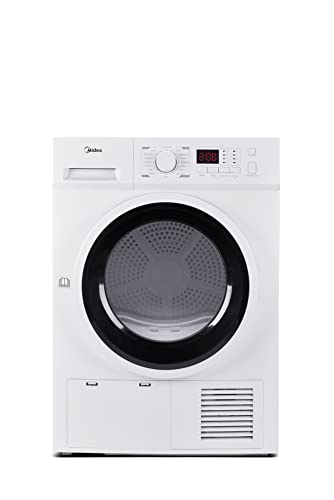 The machines use a heating loop to circulate the air and recirculate the water out of the clothes back into the drain tube. Read on to learn more about the technology behind these energy STAR certified machines.
Evaporative Drying
Evaporative drying makes use of hot air to evaporate water and remove moisture from your clothes. It takes longer to evaporate than dryers that make use of heat. However, as NYC is moving towards a half natural gas energy mix and more renewable sources of energy over the next 10-20 years it is possible to see an increase in the efficiency of your dryer. In the case of a washer dryer heat pump, electricity is used to draw heat from air and transform it into the energy needed to evaporate. As a result, they use less energy than traditional dryers.
Heat pump dryers work like conventional dryers, but they are equipped with the components of a refrigeration system for air conditioning (evaporator and condensation). The cooling section of the refrigerant cycle used to dehumidify the dry air that then passes through the evaporator within the heat pump. The dryer then heats the dry dehumidified air to provide the drying heat.
This process produces a large amount of condensation water that needs to be disposed. This can be done manually with the draining hose or an instrument that directs the water flow from the airflow to a tub or sink in the laundry room. Researchers have examined the efficiency of heat pumps in drying processes, with a focus on evaluating performance in relation to the dehumidification process. Exergy analysis is a valuable method. Exergy analysis compared the actual efficiency of a process with its ideal performance, which can be calculated by determining the amount of energy needed to achieve the desired outcomes in the process.
In theory, the process will produce energy that is equal to its input, or even more, but this isn't always the case, particularly in a heat-pump dryer. This is because there is a certain amount of in the heat vaporization process can also be included in the energy of the process of evaporation.
Some researchers have studied the performance of the heat pump dryer by simulating it with the aid of a computer model. This study suggests that the energy efficiency the heat-pump dryer's efficiency is dependent on its dehumidification capacity as well as the temperature of air in the unit's evaporator, and the ratio between recirculating air and dry air.
Drying of Water Condensation
If you're looking for a method to dry your clothes more environmentally friendly than evaporative dryers, then you can purchase washer dryer heating pumps that use water condensation. They're usually more expensive than standard units, but they can also be less expensive to run.
Most combination washer-dryers with condensation drying function in the same way as ordinary tumble dryers with heat pump dryers, but with the exception that they reheat the air that's taken from the clothes, and cool it so that the condensation of the air's moisture back to water that is then taken away. The cooled air is then returned to the drum, where it is heated and evaporated again until the clothes are dry.
These dryers consume less energy than older gas or electric dryers, however they are nevertheless more expensive to run than conventional models. The reason for this is that dryers require heating up a lot of air to vent it to the out.
This can be more than the energy that is saved by the unit, and these dryers are ideally suited to homes that have low electric costs.
If your laundry room has windows you can save money by connecting the dryer directly to an outside drainpipe. This is called ventless dryer.
If you opt for a dryer that has this feature, be sure to connect the hose properly. The connector for the hose at the bottom of the appliance. Usually, you'll also find a holder right next to it. Take off the old hose and place the new hose in the holder. Make sure the hose doesn't hang from the holder for more than 10cm. This could cause it to be disconnected from the dryer and cease to function.
Ventless Dryers
Ventless dryers are an ideal option for NYC homeowners who live in apartments and homes that do not allow traditional vented dryers. The appliances are energy efficient and use less gas than vented dryers, so they can save money over time. They are also smaller and don't require an external vent or duct. You can put a vented dryer in your laundry room or in the home.
Ventless dryers employ two methods to dry your clothes: either air-to-air condensation or cool water condensation. They take heat from air and transfer it to the clothes inside the drum, which is why they are more efficient in energy than vented dryers.
Since they do not rely on hot air to dry your clothes and are therefore more gentle on fabrics. This is important because too much heat can damage delicate fabrics and cause fading or color running, especially if your garments are made of synthetic materials.
A heat pump dryer is more efficient in energy than condensing models. This is due to the fact that they employ an evaporator that absorbs the moisture that is emitted by the air in the drum and Washer dryer heat pump convert it to water. This is a closed loop system and therefore they do not generate any waste.
The only thing you need to keep in mind with these appliances is that they do require regular maintenance to maintain their effectiveness. They must be cleaned and emptied regularly of any condensed liquid. Some models have a built-in water reservoir which must be emptied regularly, while others are connected to a plumbing drain to allow the water to be flushed away automatically. To maintain the efficiency and effectiveness of the appliance the lint filter must be cleaned regularly.
Energy Efficiency
With rising energy costs and no signs of relief on the horizon it is logical for laundry rooms to look out ways to reduce their consumption of energy. A simple replacement for a conventional dryer with a washer heat pump can significantly reduce energy costs and save the environment.
These systems draw air from outside and make use of refrigerants to draw the heat from the air. The air is then moved through heat exchangers, and then transformed into heat to dry clothes. The heat is then transferred to the drum of the dryer, and then used to power the entire process. It also serves to heat water used for washing. The dryer then uses that hot water to power the spin cycle, further reducing energy consumption and saving money.
This system operates in two closed cycles, one for the air and the other for the refrigerant. The first uses a fan to blow warm, outside air over a set fins on the cold side of the heat pump which captures heat energy and then carries it away through a set of coils on the cold side. The air is then blown across the fins on the hot side to pick up even more energy. This process continues throughout the drying cycle.
The air passes through a second, separate coil set on the cold side and turns into liquid when saturated with heat. This liquid is then moved through a compressor which raises its temperature and transforms it into gas. The liquid then flows through the dryer, where it vaporizes into hot air and then dries the clothes.
The hot air is expelled from the dryer, which reduces the energy consumption by a considerable amount. The motor that drives the drum of the dryer is the only source of energy left. It consumes a tiny amount at all times.
These dryers are up to 28 percent more efficient than traditional dryers which have an Energy Star rating around 4.3. This is due in part to the fact that they don't need a dryer vent and can operate during the same temperatures as your central cooling and heating system. The absence of a vent for the dryer can also lower the cost of installation, and improves the overall energy efficiency of your home.
Look into a model that uses a heat pump if you're looking for an appliance that can wash and dry both. Ventless dryers take a longer to dry and use more electricity than traditional vent-controlled models. However they are quieter and don't require ducting or ventilation.
 The machines use a heating loop to circulate the air and recirculate the water out of the clothes back into the drain tube. Read on to learn more about the technology behind these energy STAR certified machines.
Evaporative Drying
Evaporative drying makes use of hot air to evaporate water and remove moisture from your clothes. It takes longer to evaporate than dryers that make use of heat. However, as NYC is moving towards a half natural gas energy mix and more renewable sources of energy over the next 10-20 years it is possible to see an increase in the efficiency of your dryer. In the case of a washer dryer heat pump, electricity is used to draw heat from air and transform it into the energy needed to evaporate. As a result, they use less energy than traditional dryers.
Heat pump dryers work like conventional dryers, but they are equipped with the components of a refrigeration system for air conditioning (evaporator and condensation). The cooling section of the refrigerant cycle used to dehumidify the dry air that then passes through the evaporator within the heat pump. The dryer then heats the dry dehumidified air to provide the drying heat.
This process produces a large amount of condensation water that needs to be disposed. This can be done manually with the draining hose or an instrument that directs the water flow from the airflow to a tub or sink in the laundry room. Researchers have examined the efficiency of heat pumps in drying processes, with a focus on evaluating performance in relation to the dehumidification process. Exergy analysis is a valuable method. Exergy analysis compared the actual efficiency of a process with its ideal performance, which can be calculated by determining the amount of energy needed to achieve the desired outcomes in the process.
In theory, the process will produce energy that is equal to its input, or even more, but this isn't always the case, particularly in a heat-pump dryer. This is because there is a certain amount of in the heat vaporization process can also be included in the energy of the process of evaporation.
Some researchers have studied the performance of the heat pump dryer by simulating it with the aid of a computer model. This study suggests that the energy efficiency the heat-pump dryer's efficiency is dependent on its dehumidification capacity as well as the temperature of air in the unit's evaporator, and the ratio between recirculating air and dry air.
Drying of Water Condensation
If you're looking for a method to dry your clothes more environmentally friendly than evaporative dryers, then you can purchase washer dryer heating pumps that use water condensation. They're usually more expensive than standard units, but they can also be less expensive to run.
Most combination washer-dryers with condensation drying function in the same way as ordinary tumble dryers with heat pump dryers, but with the exception that they reheat the air that's taken from the clothes, and cool it so that the condensation of the air's moisture back to water that is then taken away. The cooled air is then returned to the drum, where it is heated and evaporated again until the clothes are dry.
These dryers consume less energy than older gas or electric dryers, however they are nevertheless more expensive to run than conventional models. The reason for this is that dryers require heating up a lot of air to vent it to the out.
This can be more than the energy that is saved by the unit, and these dryers are ideally suited to homes that have low electric costs.
If your laundry room has windows you can save money by connecting the dryer directly to an outside drainpipe. This is called ventless dryer.
If you opt for a dryer that has this feature, be sure to connect the hose properly. The connector for the hose at the bottom of the appliance. Usually, you'll also find a holder right next to it. Take off the old hose and place the new hose in the holder. Make sure the hose doesn't hang from the holder for more than 10cm. This could cause it to be disconnected from the dryer and cease to function.
Ventless Dryers
Ventless dryers are an ideal option for NYC homeowners who live in apartments and homes that do not allow traditional vented dryers. The appliances are energy efficient and use less gas than vented dryers, so they can save money over time. They are also smaller and don't require an external vent or duct. You can put a vented dryer in your laundry room or in the home.
Ventless dryers employ two methods to dry your clothes: either air-to-air condensation or cool water condensation. They take heat from air and transfer it to the clothes inside the drum, which is why they are more efficient in energy than vented dryers.
Since they do not rely on hot air to dry your clothes and are therefore more gentle on fabrics. This is important because too much heat can damage delicate fabrics and cause fading or color running, especially if your garments are made of synthetic materials.
A heat pump dryer is more efficient in energy than condensing models. This is due to the fact that they employ an evaporator that absorbs the moisture that is emitted by the air in the drum and Washer dryer heat pump convert it to water. This is a closed loop system and therefore they do not generate any waste.
The only thing you need to keep in mind with these appliances is that they do require regular maintenance to maintain their effectiveness. They must be cleaned and emptied regularly of any condensed liquid. Some models have a built-in water reservoir which must be emptied regularly, while others are connected to a plumbing drain to allow the water to be flushed away automatically. To maintain the efficiency and effectiveness of the appliance the lint filter must be cleaned regularly.
Energy Efficiency
With rising energy costs and no signs of relief on the horizon it is logical for laundry rooms to look out ways to reduce their consumption of energy. A simple replacement for a conventional dryer with a washer heat pump can significantly reduce energy costs and save the environment.
These systems draw air from outside and make use of refrigerants to draw the heat from the air. The air is then moved through heat exchangers, and then transformed into heat to dry clothes. The heat is then transferred to the drum of the dryer, and then used to power the entire process. It also serves to heat water used for washing. The dryer then uses that hot water to power the spin cycle, further reducing energy consumption and saving money.
This system operates in two closed cycles, one for the air and the other for the refrigerant. The first uses a fan to blow warm, outside air over a set fins on the cold side of the heat pump which captures heat energy and then carries it away through a set of coils on the cold side. The air is then blown across the fins on the hot side to pick up even more energy. This process continues throughout the drying cycle.
The air passes through a second, separate coil set on the cold side and turns into liquid when saturated with heat. This liquid is then moved through a compressor which raises its temperature and transforms it into gas. The liquid then flows through the dryer, where it vaporizes into hot air and then dries the clothes.
The hot air is expelled from the dryer, which reduces the energy consumption by a considerable amount. The motor that drives the drum of the dryer is the only source of energy left. It consumes a tiny amount at all times.
These dryers are up to 28 percent more efficient than traditional dryers which have an Energy Star rating around 4.3. This is due in part to the fact that they don't need a dryer vent and can operate during the same temperatures as your central cooling and heating system. The absence of a vent for the dryer can also lower the cost of installation, and improves the overall energy efficiency of your home.