


You'll Never Guess This Tumble Dryers Heat's Benefits
Effie
0
179
2024.06.06 08:22
tumble dryers heat (Link Website) Air to Dry Clothes
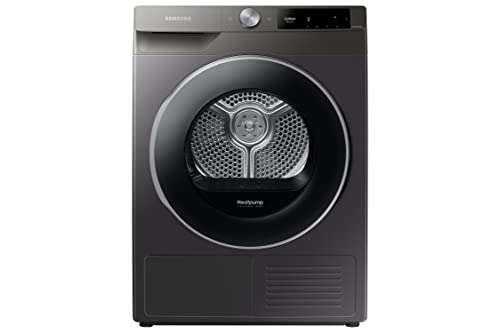 Tumble dryers heat the air inside them to dry laundry. This prevents clothing and textiles from getting ruined by moisture.
Ventilated tumble dryers require a vent to let out the heated air. This is essential to ensure that your tumble dryer is working efficiently and effectively.
Newer heat-pump operated models don't need a vent, but they do still require regular supply of cool air in order to function efficiently. This will help them run more efficiently and reduce the energy consumption.
Low heat
The low heat setting is used to protect delicate fabrics and materials from extreme heat. The setting spins the clothes to eliminate excess moisture, rather than using high temperatures as dryers do when running cycles. The knob that controls the program on your tumble dryer will allow you to select the various settings before the cycle starts.
Make sure to read the label on every garment prior to placing it in the dryer. Certain garments aren't capable of handling heat. Fabrics intended for dry cleaning should not be put in the washer dryer with heat pump. The heat will cause them to lose their shape and become damaged. Other fabrics can be dried in tumble dryers, but the temperature needs to be lower than the one used for cotton clothes.
A setting that is low in heat or gentle cycle is ideal for delicate or sheer fabrics, as well as the lace and chiffon. This setting uses a very minimal amount of heat which prevents the fabric from shrinking and warping, and also reduces static. This setting is great for clothing made of spandex, or other elastic fabrics. They tend to stretch and melt when dried at high temperatures.
A permanent press or wrinkle-resistant setting is another option to think about. This setting produces moderate temperatures, which is enough to dry the majority of fabrics without causing damage. This is a great option for cotton fabrics like cotton t-shirts, and bath towels, but it could also be used for other cotton items that could break if exposed to high temperatures.
Some tumble dryers come with an option for a cotton setting' or cotton dry', which is specifically designed for heavy cotton fabrics such as bed sheets and linens. While this setting can be used for cotton clothes that won't easily break however, it is generally advised to use an 'extra delicate or low-tumble cycle for these garments.
Medium heat
The medium heat setting has a lower level of intensity than the high heat setting, which means it is suitable for most fabrics. However, some materials may be prone to shrinking when dried at this setting, so it's important to check the care label and the instructions of the manufacturer for recommendations on temperature.
This setting prevents shrinkage of cotton clothes, towels and bed sheets while maintaining their texture, color Tumble dryers heat and quality. The setting for medium heat is also safe for the majority of synthetic clothes, including those made from polyester. However, it is recommended to avoid drying these fabrics using this setting if they come with specific washing and drying instructions that call for using a low or no-heat setting.
The high temperatures of the tumble dryer's medium temperature setting can harm other fabrics, like silk and wool. Use a mesh laundry bag and follow the care instructions on the garment you're using this setting. This will safeguard delicate fabrics during the drying process. If the fabric has ornaments or decorations that may melt or degrade it is recommended to use the lower temperature setting.
Another type of material that requires an extremely low-heat tumble dryer setting is spandex, as well as other workout clothing, which can be stretched or damaged by high temperatures. This is why the "sportswear" setting of most appliances is ideal for these kinds of items, as it will help keep their shape and texture while reducing energy.
Depending on the brand and model of your dryer, the automatic and the timed settings can utilize a different amount of heat than the setting for medium heat. The timed dry option lets you choose how long your clothes should be drying in the dryer. The automatic or regular cycle uses a moisture sensor that determines whether the clothes are dry.
Certain tumble dryers come with a 'cotton settings' setting that can be used to dry cotton garments like t-shirts and underwear. This setting isn't recommended for delicate fabrics as it will cause them to shrink and lose their shape, as well as increase the risk of damage to other types of fabric.
High temperatures
Many tumble dryers come with a high-heat setting which is ideal for heavier cotton fabrics. This setting helps to dry items faster and prevent wrinkles. However it is not recommended for delicate clothing or clothes that have been delicately washed due to the fact that the high temperature could cause them to shrink and fade or lose their shape. Silk or wool dress, for example, should never be tumble-dried as the high temperatures may cause damage to the fabric. These garments should be dried with air to avoid any shrinkage or damage and to preserve their softness and smooth texture.
The low heat setting is also popular and is ideal for delicate fabrics. The low heat setting is more gentle on fabrics than the medium heat setting and aids in reducing wear on fabrics. It also helps preserve colors and minimizes fade. It's a great choice for lingerie, knitwear, or spandex exercise clothes as also for sheer fabrics such as lace and chiffon. The lower temperature settings can also help reduce allergens, such as pollen and pet dander, which can trigger irritation or allergies.
The setting for medium heat is perfect for synthetics, shirts and polyester. It's also a great choice for robes, sheets, towels and winter coats. However, it's important to verify the care labels on these garments because some might require a lower heat setting than others.
The heavy-duty cycle is intended for heavy laundry items that are able to withstand extreme temperatures. These include comforters, blankets, jeans, robes towels, and winter coats. While this is a great option for all fabrics, it's recommended to use a mesh bag or a pillowcase when drying these items to protect expensive or delicate clothing. Some manufacturers also recommend using a filter on the dryer vent to keep hot air from blowing directly onto your clothes.
No heat
Tumble dryers use heat to agitate and remove moisture from clothing. Dry air that is emitted from the dryer is then either vented to the outside of your home or collected and reused through a condenser or heat pump, based on whether you have a tumble dryer with an external vent, a condenser tumble dryer or a heat pump tumble dryer.
Each type of tumbler dryer has its pros, and pros and. While all three types are efficient in drying laundry, it's important to understand the differences between high, low and no heat settings so that you can choose the appropriate one for each load of clothing.
The highest temperature setting of your dryer is usually the high tumble setting, which is 125oF (52.2oC). This is great for things that require additional heating to dry quickly, such as cotton sweatshirts or beach towels from your family vacation. This is also the best setting to dry heavy items such as jeans or heavy sweaters. The high setting is ideal for towels and bedding, as they can easily deal with the heat.
The setting for low tumble dry is usually around 105oF (48oC) and is ideal for delicate, lightweight fabrics such as sheers or knitwear and workout clothes composed of stretchy materials like spandex and lycra. It's also a great option for bras and lingerie which are damaged by heat, since it prevents fraying, fading, wrinkles or stretching of the fabric.
Some tumble dryers offer an option to not heat. This is usually at room temperature, and is commonly called an air fluff cycle. This isn't ideal for the majority of fabrics, since it's designed to refresh and fluff up bedding or other bulky objects such as winter coats between washes. This method is not recommended for fabrics which cannot withstand heat, as they may be damaged or wrinkled by the lack of heat.
Some tumble dryers offer an anti-allergy feature that operates at a slightly warmer temperature approximately 110oF (43oC). This is a great choice for people with sensitive skin, as it will help to remove dust particles and other allergens from your clothes. It's also a good choice for those with respiratory issues, as it can help to reduce coughing or wheezing associated with allergy and asthma symptoms.
 Tumble dryers heat the air inside them to dry laundry. This prevents clothing and textiles from getting ruined by moisture.
Ventilated tumble dryers require a vent to let out the heated air. This is essential to ensure that your tumble dryer is working efficiently and effectively.
Newer heat-pump operated models don't need a vent, but they do still require regular supply of cool air in order to function efficiently. This will help them run more efficiently and reduce the energy consumption.
Low heat
The low heat setting is used to protect delicate fabrics and materials from extreme heat. The setting spins the clothes to eliminate excess moisture, rather than using high temperatures as dryers do when running cycles. The knob that controls the program on your tumble dryer will allow you to select the various settings before the cycle starts.
Make sure to read the label on every garment prior to placing it in the dryer. Certain garments aren't capable of handling heat. Fabrics intended for dry cleaning should not be put in the washer dryer with heat pump. The heat will cause them to lose their shape and become damaged. Other fabrics can be dried in tumble dryers, but the temperature needs to be lower than the one used for cotton clothes.
A setting that is low in heat or gentle cycle is ideal for delicate or sheer fabrics, as well as the lace and chiffon. This setting uses a very minimal amount of heat which prevents the fabric from shrinking and warping, and also reduces static. This setting is great for clothing made of spandex, or other elastic fabrics. They tend to stretch and melt when dried at high temperatures.
A permanent press or wrinkle-resistant setting is another option to think about. This setting produces moderate temperatures, which is enough to dry the majority of fabrics without causing damage. This is a great option for cotton fabrics like cotton t-shirts, and bath towels, but it could also be used for other cotton items that could break if exposed to high temperatures.
Some tumble dryers come with an option for a cotton setting' or cotton dry', which is specifically designed for heavy cotton fabrics such as bed sheets and linens. While this setting can be used for cotton clothes that won't easily break however, it is generally advised to use an 'extra delicate or low-tumble cycle for these garments.
Medium heat
The medium heat setting has a lower level of intensity than the high heat setting, which means it is suitable for most fabrics. However, some materials may be prone to shrinking when dried at this setting, so it's important to check the care label and the instructions of the manufacturer for recommendations on temperature.
This setting prevents shrinkage of cotton clothes, towels and bed sheets while maintaining their texture, color Tumble dryers heat and quality. The setting for medium heat is also safe for the majority of synthetic clothes, including those made from polyester. However, it is recommended to avoid drying these fabrics using this setting if they come with specific washing and drying instructions that call for using a low or no-heat setting.
The high temperatures of the tumble dryer's medium temperature setting can harm other fabrics, like silk and wool. Use a mesh laundry bag and follow the care instructions on the garment you're using this setting. This will safeguard delicate fabrics during the drying process. If the fabric has ornaments or decorations that may melt or degrade it is recommended to use the lower temperature setting.
Another type of material that requires an extremely low-heat tumble dryer setting is spandex, as well as other workout clothing, which can be stretched or damaged by high temperatures. This is why the "sportswear" setting of most appliances is ideal for these kinds of items, as it will help keep their shape and texture while reducing energy.
Depending on the brand and model of your dryer, the automatic and the timed settings can utilize a different amount of heat than the setting for medium heat. The timed dry option lets you choose how long your clothes should be drying in the dryer. The automatic or regular cycle uses a moisture sensor that determines whether the clothes are dry.
Certain tumble dryers come with a 'cotton settings' setting that can be used to dry cotton garments like t-shirts and underwear. This setting isn't recommended for delicate fabrics as it will cause them to shrink and lose their shape, as well as increase the risk of damage to other types of fabric.
High temperatures
Many tumble dryers come with a high-heat setting which is ideal for heavier cotton fabrics. This setting helps to dry items faster and prevent wrinkles. However it is not recommended for delicate clothing or clothes that have been delicately washed due to the fact that the high temperature could cause them to shrink and fade or lose their shape. Silk or wool dress, for example, should never be tumble-dried as the high temperatures may cause damage to the fabric. These garments should be dried with air to avoid any shrinkage or damage and to preserve their softness and smooth texture.
The low heat setting is also popular and is ideal for delicate fabrics. The low heat setting is more gentle on fabrics than the medium heat setting and aids in reducing wear on fabrics. It also helps preserve colors and minimizes fade. It's a great choice for lingerie, knitwear, or spandex exercise clothes as also for sheer fabrics such as lace and chiffon. The lower temperature settings can also help reduce allergens, such as pollen and pet dander, which can trigger irritation or allergies.
The setting for medium heat is perfect for synthetics, shirts and polyester. It's also a great choice for robes, sheets, towels and winter coats. However, it's important to verify the care labels on these garments because some might require a lower heat setting than others.
The heavy-duty cycle is intended for heavy laundry items that are able to withstand extreme temperatures. These include comforters, blankets, jeans, robes towels, and winter coats. While this is a great option for all fabrics, it's recommended to use a mesh bag or a pillowcase when drying these items to protect expensive or delicate clothing. Some manufacturers also recommend using a filter on the dryer vent to keep hot air from blowing directly onto your clothes.
No heat
Tumble dryers use heat to agitate and remove moisture from clothing. Dry air that is emitted from the dryer is then either vented to the outside of your home or collected and reused through a condenser or heat pump, based on whether you have a tumble dryer with an external vent, a condenser tumble dryer or a heat pump tumble dryer.
Each type of tumbler dryer has its pros, and pros and. While all three types are efficient in drying laundry, it's important to understand the differences between high, low and no heat settings so that you can choose the appropriate one for each load of clothing.
The highest temperature setting of your dryer is usually the high tumble setting, which is 125oF (52.2oC). This is great for things that require additional heating to dry quickly, such as cotton sweatshirts or beach towels from your family vacation. This is also the best setting to dry heavy items such as jeans or heavy sweaters. The high setting is ideal for towels and bedding, as they can easily deal with the heat.
The setting for low tumble dry is usually around 105oF (48oC) and is ideal for delicate, lightweight fabrics such as sheers or knitwear and workout clothes composed of stretchy materials like spandex and lycra. It's also a great option for bras and lingerie which are damaged by heat, since it prevents fraying, fading, wrinkles or stretching of the fabric.
Some tumble dryers offer an option to not heat. This is usually at room temperature, and is commonly called an air fluff cycle. This isn't ideal for the majority of fabrics, since it's designed to refresh and fluff up bedding or other bulky objects such as winter coats between washes. This method is not recommended for fabrics which cannot withstand heat, as they may be damaged or wrinkled by the lack of heat.
Some tumble dryers offer an anti-allergy feature that operates at a slightly warmer temperature approximately 110oF (43oC). This is a great choice for people with sensitive skin, as it will help to remove dust particles and other allergens from your clothes. It's also a good choice for those with respiratory issues, as it can help to reduce coughing or wheezing associated with allergy and asthma symptoms.